Warden training transforms common personnel into a reliable emergency situation control team. When alarms sound and adrenaline spikes, these are individuals that check out the scenario, steady the space, and move others to safety and security. Whether you are taking a fire warden course for the very first time or stepping up to chief warden responsibilities with a PUAER training course, the objective is the same: clear functions, disciplined technique, and sound judgment when problems change. This guide mixes Australian training criteria like PUAFER005 and PUAFER006 with lived experience from drills and genuine evacuations, so you can construct a program that does greater than tick a conformity box.
What a Warden Actually Does
On paper, a warden checks locations and escorts individuals out. In technique, the job extends well beyond that. You come to be the eyes and ears of the Emergency situation Control Organisation, linking regional detail to the chief warden's big-picture choices. You translate policy into actions that operate in awkward hallways, smoky stairwells, and crowded foyers.
Wardens are assigned zones. They learn the format, owners, typical hazards, and quirks of their area. The elevator that trips throughout storms, the fire doors that close slowly, the available leave with the lip that catches walkers and wheelchairs. Throughout an occasion, they move their area, handle owners, record problems, and adjust. Afterward, they log what occurred with plain facts, not dramatization, since reports drive improvements.
A small instance from a workplace tower: a warden discovered that an once a week distribution blocked the B2 egress with stacked pallets. It never caused a problem, however it reduced tests by 90 secs. Taking a photo and logging it transformed the loading dock's distribution window, removing a hazard that had actually sneaked in silently. Excellent wardens deal with the little things before it comes to be big.
Training Courses and Where They Fit
Australia's usual pathways for emergency warden training hinge on 2 units of competency.
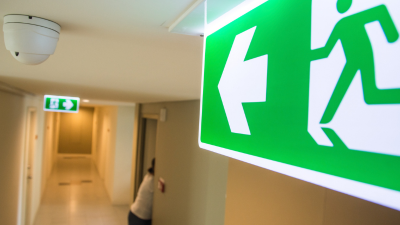
First, PUAFER005, often listed as "PUAFER005 operate as part of an emergency control organisation," sets the foundation. A good PUAFER005 course covers the framework and functions inside the ECO, alarm system assessment, evacuation principles, communication approaches, and basic risk acknowledgment. New wardens must finish it, then revitalize every 1 to 2 years to maintain abilities present and keep confidence. Providers sometimes call this an emergency warden course chief warden hat colour or simply warden training. The material needs to be functional, with site-specific components, not simply slides.
Second, PUAFER006, "PUAFER006 lead an emergency control organisation," develops management capability. If you are tipping up to chief warden, replacement, or interactions policeman, a PUAFER006 course gives you devices to make time-sensitive decisions, coordinate wardens, and communicate with first -responders. Chief warden training requires scenario job that compels you to consider options with insufficient details, since throughout a real event, excellent details seldom arrives.
These courses comprise the core of a robust warden program, and they must sit inside a cycle of drills, debriefs, and regular devices checks. Classroom knowledge assists, yet abilities hone in the stairwell, not in a chair.
Fire Warden Requirements in the Workplace
Employers must make sure a qualified Emergency Control Organisation exists, is educated, and shows up during an emergency. That suggests choosing sufficient wardens to cover the site, including backfills for leave and change patterns. An excellent general rule is at the very least one warden per 20 to 40 individuals, readjusted for layout, threat account, and flexibility needs. A single flooring with two wings and three tenants usually benefits from 2 or 3 wardens and an interactions function, also if headcount is modest.
Fire warden training requirements often include knowledge with fire panel indications, alarm tones, evacuation routes, assembly areas, stairwell and door technicians, and, notably, the restrictions of fire extinguishers. Extinguisher training can be useful, but evacuation comes first. Lots of occasions that look workable rise, and wardens that go after flames rather than individuals in some cases lose the safe window for movement.
In complicated work environments like research laboratories, producing plants, and medical care facilities, additional modules will cover chemical handling, oxygen-rich atmospheres, or person motion methods. For a blended office and warehouse site, run different rundowns for forklift operators and office staff. One size rarely fits all.
Colours, Hats, and Clear Identification
Visibility issues. Individuals search for a clear sign of authority when alarm systems seem. That is why vests and safety helmets or hats remain helpful, despite having contemporary comms. The details colours vary by organisation and area, but within several Australian offices the convention is consistent: the chief warden hat colour is white. If you have actually questioned what colour helmet does a chief warden wear, that is the most usual answer. The chief fire warden hat colour must be distinct and regular across websites so specialists and visitors recognize that to adhere to. A chief warden hat or vest that attracts attention in a crowd makes crowd control simpler.
Area wardens usually put on yellow. Initial aiders sometimes make use of environment-friendly. An interactions police officer may use red or another high-contrast colour. If you choose a bespoke system, post the legend at vital locations and include it in induction so brand-new starters learn it rapidly. An affordable vest that fits over wintertime jackets and hi-vis is far better than an ideal system no person remembers.

Roles Inside an Emergency situation Control Organisation
The chief warden sits at the operational peak. They analyze the occasion, choose whether to evacuate, organize a partial emptying, or shelter in place, and afterwards collaborate the action. The chief warden responsibilities consist of assigning tasks, accounting for people, liaising with very first -responders, and remaining calm on the radio. Chief fire warden duties also reach pre-event preparation: seeing to it the ECO roster is current, drills are scheduled, and lessons obtain actioned.
Deputy and interactions functions keep the chief warden focused. An interactions policeman runs the radio web, logs time-stamped updates, and pushes clear instructions in plain language. In a fire, seconds really feel slippery. Precise log entries give investigators and safety teams a breadcrumb path for review.
Wardens manage their zones, report what they see, and control motion. They try to find people that ice up, that head to the wrong exit, or who attempt to end up a task before leaving. They likewise do the unglamorous however crucial work of inspecting amenities, storage rooms, and stairwells for stragglers.
How to Construct Reputable Warden Capability
A warden course develops a starting factor, however efficiency boosts with repetition and thoughtful practice. The best programs do four points well.
First, they use site-specific situations, not common ones. If your structure has 2 interconnected stairwells and a roof covering refuge, method relocating individuals when one stairwell loaded with smoke and the fire panel sends contrasting signals.
Second, they revitalize consistently. Memory dulls. New employs join. Layouts adjustment. Quarterly or semiannual drills maintain the ECO cohesive.
Third, they gauge something tangible. Time to initial sweep conclusion, time to all-clear at setting up, responsibility portion, radio quality, and debrief action closure. Numbers concentrate attention.
Fourth, they create psychological safety and security in debriefs. If wardens fear blame, they will certainly sugarcoat problems. Genuine renovation comes from candid, particular comments. A chief emergency warden who thanks people for elevating tough points will get better intel next time.
Communications That Hold Up Under Pressure
Radio discipline can make or break a discharge. A network clogged with babble and duplication forces the chief warden to think. Maintain messages short, valid, and structured. A valuable pattern is location, problem, activity. For example: Degree 8 West, hefty smoke in copy area, relocating 30 team through south stairs. Prevent lingo. If doubtful, state the danger and what you need.
Some sites screw a phone bridge onto the radio internet, so external incident groups can pay attention without sending. That can help, yet just if the primary channel remains tidy. In a major event, limit transmissions to wardens and the interactions police officer. Spectators on radios, despite having excellent purposes, add noise.
Practical Scenarios You Should Drill
Scenario-based practice is where training comes to be muscle memory. Right here are three that repetitively disclose voids, in addition to compromises and tips.
A smoldering electric fire on a mid-rise workplace degree. The alarm triggers, smoke is present but exposure stays good. The temptation is to order an extinguisher and have a go. Teach wardens to determine the risk before approaching. If the source is unclear, or smoke is thickening promptly, do not adjust breakers or equipment. Start evacuation, close doors to slow down smoke spread, and report the origin area exactly if known. The compromise is speed versus assurance. You never ever want to postpone discharge while searching for ideal clarity.
A defective alarm system throughout peak rain. The fire panel shows a fault on Degree 4. You hear no local alarm tone, yet the panel escalates after a few seconds. Drills must educate wardens to confirm problems without ignoring the panel. Send out one warden to inspect the suggested zone while preparing for a partial discharge. If water intrusion is the wrongdoer, you might discover a damp detector or a triggered flow button. Maintain the assembly point selection adaptable. If the default assembly is water logged or harmful, relocate to an additional location and inform individuals why, simply and clearly.
A mobility-assisted evacuation with a handicapped lift. Lifts typically can not be utilized. Identify refuge factors early, such as protected stairwells or fire-isolated lobbies, and learn their fire ranking. Coordinate with first responders for assisted evacuation. Practicing motion with wheelchairs, pedestrians, and people that use oxygen desensitises the group and surface areas the sluggish points. An additional warden, pre-assigned to flexibility assistance, minimizes hold-ups in the stairwell.
These circumstances examination judgment, not simply memorizing memory. Add sound. Imitate radio failures, a missing out on warden, or a second alarm on another level. Anxiety screening in method develops elegance under pressure.
Extinguishers, Fire Blankets, and When Not to Use Them
Many fire warden courses consist of useful extinguisher use. That is useful, gave the boundaries are clear. Fire expands quick, and a little, convenient flame can come to be a large one in under a min, specifically with readily available fuels like paper, plastics, or solvents.
Teach wardens to weigh three variables prior to attempting to extinguish: the size and sort of fire, a clear egress course, and personal safety devices. If any type of among those is endangered, go back and prioritise discharge. For electrical equipment, a dry chemical or CO2 unit is ideal, however residual heat can reignite. After a knockdown, isolate power if educated and secure. Never go after a flame right into a corner where your retreat is reduced off.
Fire coverings fit kitchen oil fires in tiny pans, not deep fryers or industrial hoods. If your website has a kitchen, do a hands-on demonstration with a controlled gear. Concept alone cultivates overconfidence.
Accounting for Individuals Without Reducing the Flow
Perfect roll phone calls are unusual in liquid work environments. Specialists sign in and out. Site visitors miss the stand when a conference runs long. Warden groups need a practical method that stabilizes speed and accountability.
Many websites make use of a crossbreed system: digital access logs plus warden head counts and supervisor verifications at the assembly area. If an individual is unaccounted for, you require two checks. Initially, verify they were on site at the time of the event. Second, validate they are not currently at an alternate assembly factor. Stay clear of sending out wardens back right into a building to look for a single person without initial responders lined up. Instead, provide responders with last well-known area, most likely workspace, and flexibility status, after that sustain their entry.
A chief warden who reveals routine updates at assembly reduces stress and anxiety. Short, sincere messages function best: We have 2 individuals not yet checked off, -responders are browsing Degree 6 East, and we will update in 3 minutes. Silence types speculation and a drift back right into the building.
Common Challenges and Just how to Prevent Them
I have debriefed loads of drills and genuine events. The errors repeat, but they are fixable.

Over-reliance on the chief. When the chief warden becomes a switchboard, decisions sluggish. Delegate. Allow the interactions officer run the log and radio, and ask specific wardens for condition on appointed checks. The principal must check the wide picture and choose, not micromanage.
Unfamiliarity with website quirks. Refits change stairwell departures. Safety adds a gate that obstructs very easy egress. Stroll your areas quarterly. Update zone maps and photo changes.
Mixed messages during emptyings. If floor wardens tell team to sit tight while the introduces an evacuation, people freeze. Use a solitary network of fact, ideally the , with radio updates channelled with the communications officer.
Underestimating smoke. People tolerate light smoke longer than they should. Train wardens to expect cues like inflammation, coughing, or a change in ambient temperature. Close doors behind you. Hold a damp towel to your face if needed, yet do not let that come to be a reason to linger.
Poor flexibility preparation. If no clear plan exists for those that can not make use of stairs, evacuation stalls. Pre-assign a buddy system. Determine refuge locations. Maintain an emptying chair where it will certainly be utilized, not secured away.
The Chief Warden's Judgment Call
Chief fire warden obligations sharpen presently of choice. Do you leave the whole structure or a single zone initially? Do you hold individuals in refuge since exterior conditions are even worse? There is no algorithm for this, however there are anchors.
Start with the life safety and security hierarchy: relocate people out of instant danger, then control the occurrence if risk-free. Seek confirmation, not agreement. One warden's clear report from the scene outweighs three speculative remarks. If the circumstance doubts but potentially worsening, initiate emptying early. Regrets are more affordable outside the building than inside.
If initial responders take command on arrival, share what you understand in 30 seconds: event kind, affected degrees, headcount condition, risks such as gas cylinders or server spaces, and any kind of caught or mobility-impaired persons with last well-known locations. After that move to support. A chief warden who keeps the ECO constant, preserves the head count, and stops re-entry offers responders a clean operating picture.
Site-Specific Layers: Beyond the Office
A storage facility adds forklifts, battery billing terminals, racking, and occasionally flammable liquids. A lab brings chemical storage space, fume hoods, cryogenics, and waste segregation. Medical care centers must match discharge with client safety and security, consisting of life support factors to consider. The warden training for these atmospheres ought to fold in neighborhood hazards.
In a warehouse, a spill reaction plan rests alongside evacuation planning. Wardens should understand exactly how to separate the location and path people far from wind direction if vapours exist. In a lab, ensure safety and security data sheets are accessible which the chief warden can orient -responders on crucial compounds. In health care, method straight evacuations, where individuals are relocated into a nearby fire area as opposed to down multiple floors.
The factor is not to remember every side case. It is to establish principles and equip wardens with the local understanding to use them quickly.
Drills That Individuals Take Seriously
People roll their eyes at drills when they seem like theater. You can transform that by making drills short, actual, and purposeful.
Announce the quarter but not the day. Utilize an actual alarm tone, not a polite message. Infuse a simple difficulty, like an obstructed exit or a warden no-show, and then debrief what occurred. If you locate a problem, repair it and run a short targeted drill within 2 weeks. That closing loop is what convinces team your program matters.
When numbers help, share them. If evacuation time goes down from 8 mins to 5 mins throughout two quarters, state so. If liability improves, highlight it. Development builds buy-in.
Hats, Helmets, and Culture
People usually inquire about fire warden hat colour and whether it really matters. It does, due to the fact that society is shaped by little signals. A white safety helmet for the chief warden, yellow for wardens, and eco-friendly for initial aiders may appear shallow, yet in smoke or stress, colour and clear labels cut through. If you do not use safety helmets, utilize high-contrast vests with large back and front print. Wear them during drills, not just real occasions, so personnel discover what to look for.
Choosing a Service provider and Establishing Expectations
Not all training is equal. A fire warden course that leaves you with vague slides and no method does little for an emergency. When selecting a provider for PUAFER005 or a PUAFER006 course, look for trainers that inquire about your site before they show, that adjust examples to your layout, and who insist on live drills. Ask how they evaluate competence. Ask exactly how they include your occurrence background. If they can not respond to, keep looking.
The best providers treat you like a companion, not a reservation. They encourage chief fire warden training that includes decision-making drills, interactions training, and exercised handovers to very first responders. They must additionally assist you draw up refresh cycles and suggest on paperwork that withstands audits.
A Lean List That Works Under Stress
Keep one checklist per role. Make it short, legible, and laminated. Store it with the vest or hat so it is constantly at hand.
- Chief warden: validate alarm kind, decide emptying approach, assign wardens to areas, trigger news, communicate with -responders, obtain headcount updates, stop re-entry, document timeline. Area warden: don vest, move area including services and storerooms, close doors, record problems and headcounts, direct to remedy leave, assist flexibility as assigned, continue to setting up, upgrade chief on completion.
If your site uses an interactions police officer, provide a concise log design template with time, resource, message, and activity. Quality defeats cleverness throughout an event.
Evidence, Not Hype
The factor of warden training is not to develop heroes. It is to develop a system that shaves minutes off evacuation times, reduces complication, and maintains individuals safe. Procedure it. Evaluation it. Improve it. When an actual event occurs, the distinction in between a shuffling group and an orderly circulation frequently comes down to whether your ECO exercised for the building you really inhabit, not a generic one from a textbook.
For those advancing through formal training, PUAFER005 builds the operational base, PUAFER006 develops management, and both gain from rep. Include website nuance, keep communications clean, and furnish your wardens to make reasonable choices with incomplete info. That is the genuine examination they will certainly face.
A Brief Circumstance Walkthrough: From Alarm to All-Clear
You are the chief warden in a 12-level mixed-use structure. At 10:42, the fire panel suggests an alarm system on Degree 7 East. You launch the : Focus please, this is the chief warden. We have an alarm on Level 7 East. Wardens, report condition. All passengers on Degree 7, prepare to evacuate by means of the east stairwell. You assign your communications officer to collect updates. A Level 7 warden records visible smoke near the kitchenette, likely electrical. You escalate to a full Level 7 discharge and prepare Degree 8 for possible activity if smoke migrates upward.
By 10:45, smoke is larger. You extend emptying to Level 8 as a precaution, utilizing the west stairwell to separate circulations. You advise wardens to close doors behind them. The interactions police officer logs each area's move completion. A single person with a knee injury on Degree 8 requires help. A warden escorts them at a measured pace down the west staircases while one more warden shadows to maintain the group moving.
At 10:49, firefighters arrive. Your handover is crisp: Alarm came from Level 7 East kitchen space, smoke progression noted, Levels 7 and 8 left, one assisted emptying underway down the west stairways, no dangerous products reported on those degrees, 2 people not yet represented from Level 7 per gain access to logs, most likely off-site yet unofficial. -responders go into by means of east stairs to inspect the beginning and reset systems. You maintain people at setting up and supply updates every 3 minutes.
By 11:02, -responders report the source as a failed microwave capacitor. Fire out, smoke clearing. You hold re-entry up until they confirm air quality and the panel reset. At 11:12, with the all-clear from responders, you stage a controlled re-entry by floorings, beginning with lower floorings to prevent crowding. After team return, you run a 10-minute debrief with wardens, capture the moment stamps, and designate actions: kitchen space device audit, stairwell signs upgrade near Degree 8, and a concentrated refresher course on movement help. A week later on, you finish those activities and run a short drill to confirm the fixes.
That is the cycle succeeded: spot, decide, act, discover, and improve.
Final Thoughts
Wardens do not require capes. They need clarity, practice, and tools that function under pressure. A self-displined program built on PUAFER005 for functional readiness and PUAFER006 for leadership, supported https://andresxamx997.cavandoragh.org/puafer006-course-explained-lead-an-emergency-situation-control-organisation by realistic drills and sensible devices, transforms a risky day into a manageable one. If you lead the program, deal with every drill as a possibility to find out something new regarding your structure and your group. If you act as a warden, understand your area, maintain your head, and remember that moving individuals securely is the win. The remainder is detail.
Take your leadership in workplace safety to the next level with the nationally recognised PUAFER006 Chief Warden Training. Designed for Chief and Deputy Fire Wardens, this face-to-face 3-hour course teaches critical skills: coordinating evacuations, leading a warden team, making decisions under pressure, and liaising with emergency services. Course cost is generally AUD $130 per person for public sessions. Held in multiple locations including Brisbane CBD (Queen Street), North Hobart, Adelaide, and more across Queensland such as Gold Coast, Sunshine Coast, Toowoomba, Cairns, Ipswich, Logan, Chermside, etc.
If you’ve been appointed as a Chief or Deputy Fire Warden at your workplace, the PUAFER006 – Chief Warden Training is designed to give you the confidence and skills to take charge when it matters most. This nationally accredited course goes beyond the basics of emergency response, teaching you how to coordinate evacuations, lead and direct your warden team, make quick decisions under pressure, and effectively communicate with emergency services. Delivered face-to-face in just 3 hours, the training is practical, engaging, and focused on real-world workplace scenarios. You’ll walk away knowing exactly what to do when an emergency unfolds—and you’ll receive your certificate the same day you complete the course. With training available across Australia—including Brisbane CBD (Queen Street), North Hobart, Adelaide, Gold Coast, Sunshine Coast, Toowoomba, Cairns, Ipswich, Logan, Chermside and more—it’s easy to find a location near you. At just $130 per person, this course is an affordable way to make sure your workplace is compliant with safety requirements while also giving you peace of mind that you can step up and lead when it counts.